

Starting your little one on solid foods can feel like quite the adventure, especially when it comes to introducing allergenic foods. Incorporating peanuts and eggs early might actually play a helpful role in reducing the risk of developing food allergies down the road.
Research suggests early exposure can be beneficial, so keeping an eye out for signs of readiness around six months is a great idea.
As you start this journey, safety should always be top of mind.
Monitor for any potential reactions and don’t hesitate to reach out to your pediatrician for personalized advice.
Common Allergenic Foods for Babies and Introduction Guidelines
| Food | Recommended Introduction Age | Allergy Risk Level | Best Ways to Introduce | Signs of Allergy to Watch For |
|---|---|---|---|---|
| Cow’s Milk | 12+ months (as a drink) | High | Start with small amounts in yogurt or cheese | Rash, vomiting, diarrhea, wheezing |
| Eggs | 6+ months | High | Scrambled, hard-boiled, or mixed in purees | Hives, swelling, difficulty breathing |
| Peanuts | 6+ months | High | Thinned peanut butter mixed with breast milk/formula | Facial swelling, redness, breathing issues |
| Tree Nuts (Almonds, Walnuts, Cashews, etc.) | 6+ months | High | Nut butter mixed into oatmeal or yogurt | Skin rash, throat tightness, nausea |
| Wheat | 6+ months | Moderate to High | Soft wheat-based foods like bread or pasta | Diarrhea, bloating, rash, fussiness |
| Soy | 6+ months | Moderate | Offer small amounts in tofu or soy yogurt | Vomiting, rash, stomach pain |
| Fish (Salmon, Cod, Tuna, etc.) | 6+ months | Moderate to High | Flaked and cooked thoroughly | Hives, swelling, vomiting, runny nose |
| Shellfish (Shrimp, Crab, Lobster, etc.) | 9+ months | High | Well-cooked and finely chopped | Breathing difficulties, swelling, nausea |
| Sesame Seeds | 6+ months | Moderate | Tahini (sesame paste) mixed into foods | Skin reactions, stomach upset, swelling |
| Strawberries | 6+ months | Moderate | Mashed or blended into yogurt | Rash around mouth, diarrhea |
Understanding Allergic Reactions In Infants

Welcoming a little one into your life opens up a whole new world, especially when it comes to feeding them. For parents, introducing baby food can be an exciting yet nerve-wracking experience.
When it comes to allergens like eggs, many worry about the possibility of an egg allergy.
Observing your baby for signs of reactions, such as rashes or fussiness, after introducing new foods is a smart approach.
Interestingly, research suggests that early exposure to these potential allergens could actually help reduce the risk of allergies down the line. As you pursue safe weaning practices, being patient and observant goes a long way.
If any unusual symptoms pop up, consulting your pediatrician is a great idea. They can offer guidance tailored to your baby’s needs, paving the way for healthy growth.
What Are The Best Early Exposure Practices
Starting out on the journey of introducing foods to your little one can bring a mix of excitement and jitters. When the time comes to explore solid foods, usually around six months, it’s all about pacing yourself.
Taking a slow approach is especially important when it comes to allergen management.
Gently introducing allergenic foods in tiny amounts allows you to keep a close eye on any potential reactions.
After each new food, observing your baby will give you valuable insights into their preferences and sensitivities. It’s completely fine to reach out to your pediatrician for personalized guidance based on your child’s health history—they can really help set the stage for safe early exposure practices.
These initial steps play a significant role in your baby’s immune development, laying the groundwork for a healthy relationship with food. As we transition from understanding allergic reactions in infants to how to safely introduce allergenic foods, it is crucial to consider the role of solid foods in childhood allergies, the importance of immune development, and effective allergen management through a gradual introduction.
| Aspect of Introduction | Importance |
|---|---|
| Timing of Solid Foods | Typically around six months for optimal development |
| Allergen Management | Gradual introduction helps monitor reactions |
| Pediatrician Guidance | Provides personalized advice based on health history |
| Immune Development | Early exposure lays groundwork for healthy food relationships |
How To Safely Introduce Allergenic Foods
Stepping into the world of new foods for your little one can be quite the adventure; starting early feeding practices around 4-6 months, with pediatric guidance, opens up a path for your baby to explore new tastes. It’s a good idea to kick things off with small amounts and stick to one allergenic food at a time.
This way, if any food sensitization occurs, you can catch it right away.
Keep a watchful eye on your little explorer for any reactions.
Making this journey a positive experience for both of you is what it’s all about!
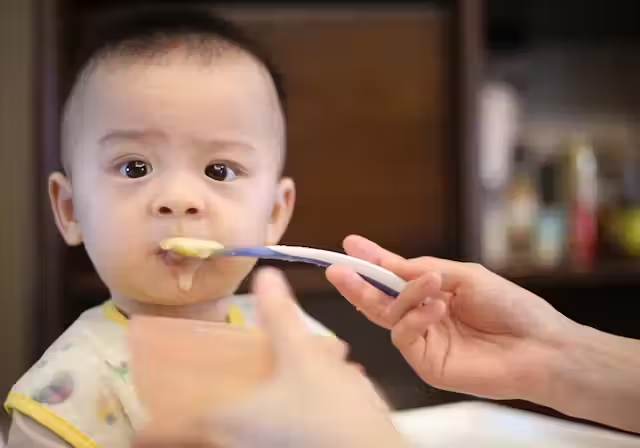
Before you introduce allergenic foods, chatting with your pediatrician for tailored dietary guidelines is always a smart move. Proper preparation is also key; ensure foods are smooth and appropriate for your baby’s stage.
Creating a safe and enjoyable environment for these new dietary adventures makes it essential to consider pediatric guidance, dietary guidelines, allergenic risk, early feeding practices, and food sensitization.
Signs Of Peanut And Egg Allergy Symptoms
It can be quite alarming when a child reacts oddly to certain foods. When it comes to peanuts and eggs, many parents find themselves on high alert due to the potential for serious reactions.
Watch for noticeable signs such as skin issues like hives or rashes, which can indicate a problem.
Gastrointestinal symptoms like vomiting or diarrhea are also common, as are respiratory difficulties, including wheezing or trouble breathing.
Swelling of the lips, tongue, or throat should never be ignored, as these can signal a more severe allergic response.
Knowing when to take action is just as important as recognizing these symptoms. If any signs appear soon after your child eats these allergens or if more severe issues arise, including difficulty breathing or anaphylaxis, it’s time to seek medical help right away. Catching these reactions early can make a significant difference in managing allergen tolerance through effective risk assessment and prevention strategies during feeding milestones, particularly with baby-led weaning.
Food Allergies in Children
- Peanut and egg allergies are among the most common food allergies in children, often leading to severe reactions.
- Symptoms of food allergies can manifest within minutes to hours after consumption, making timely recognition crucial.
- Anaphylaxis, a life-threatening allergic reaction, can occur and requires immediate medical attention.
- Implementing risk assessment and prevention strategies during feeding milestones can help manage allergen tolerance effectively.
Importance Of Gradual Introduction Strategies
Introducing your little one to new foods can be a fun journey rather than a source of stress. A thoughtful approach allows for comfort and safety as they explore different tastes.
Embracing various flavors early on supports dietary diversity and makes it easier for your baby to appreciate new sensations without pressure.
Bringing in potential allergens gradually gives their immune response time to adapt.
This step-by-step method helps reduce the risk of allergic reactions while also encouraging tolerance.
It’s a clever way to open the door for your child to discover a world of flavors!
With the signs of peanut and egg allergy symptoms fresh in mind, taking it slow can make all the difference. As you progress, pediatric guidance on allergen management can provide additional support, helping your family navigate this adventurous eating experience smoothly.
Pediatric Guidance On Allergen Management
Managing your little one’s diet can seem tricky, but it’s really more straightforward than you might think. Start by familiarizing yourself with common food safety concerns like peanuts, eggs, and dairy.
Introducing these foods early can actually help lower the risk of allergies, according to nutrition guidelines.
When your child shows signs of readiness, such as sitting up or expressing interest in your meals, it’s time to consider adding those allergenic foods.
Gradually introduce new items while keeping a close eye out for any signs of an allergic reaction. Consulting your pediatrician for tailored advice throughout this journey can help you feel secure.
Transitioning from the importance of gradual introduction strategies, let’s explore the best nutrition guidelines for introducing solid foods.
| Food Safety Concerns | Recommended Practices |
|---|---|
| Common allergens: peanuts, eggs, dairy | Introduce these foods early to lower allergy risk |
| Signs of readiness: sitting up, interest in meals | Consider adding allergenic foods at this stage |
| Monitoring for reactions | Gradually introduce new items while observing |
| Consulting pediatricians | Seek tailored advice for your child’s diet |
Nutrition Guidelines For Introducing Solid Foods
Getting started with solid foods is such an exciting milestone for both you and your little one! Pediatricians often suggest beginning this adventure around the 6-month mark. By this time, most babies can sit up and show a real curiosity about what’s on your plate.

Choosing safe first foods is key.
Think about starting with single-grain cereals and pureed fruits or veggies.
Gradually, as your baby becomes more comfortable with meal planning, you can introduce thicker textures.
Don’t forget about allergy education! When it comes to common allergens like eggs and nuts, it’s wise to start slowly and pay attention to any allergen symptoms. With a bit of patience and encouragement, your little foodie will soon be enjoying a colorful variety of dishes while also learning about meal planning, identifying signature foods, recognizing allergen symptoms, and benefiting from allergy education.
Meal Planning Tips For AllergenFree Diets
Meal prep can seem a bit tricky when you’re steering clear of certain ingredients, but you’ve got this! Keeping an allergen chart nearby can really help you remember which foods to dodge.
Start Simple: Focus on meals made from single-ingredient foods you know are safe.
This way, you can easily monitor your child’s reactions to different items.
Batch Cooking: Cooking in batches is a fantastic strategy for saving time.
Prepare a variety of allergen-free dishes that you can grab throughout the week. Stay comfortable in your culinary practices, and don’t forget to consult with your pediatrician when introducing new foods, ensuring you follow health guidelines, utilize effective feeding strategies, and refer to the allergen chart and allergen list.
Meal Prep for Allergen-Free Cooking
- Single-ingredient foods reduce the risk of allergic reactions and simplify meal tracking.
- Batch cooking can save time and ensure a variety of safe meals are readily available.
- Consulting with a pediatrician can provide personalized guidance on introducing new foods safely.
- Using an allergen chart helps in identifying and avoiding problematic ingredients effectively.
Conclusion
Introducing new flavors to your little one can be quite the adventure. It’s all about serving up those delicious homecooked meals and creating a joyful atmosphere around food.
Be patient as you explore allergy-friendly recipes together—every bite is part of the journey!
Keep track of how your baby reacts to various tastes and textures.
This exploration can be incredibly rewarding.
Involve them in simple food preparation, making it a fun bonding experience. As you cultivate their taste buds, you’re also laying the groundwork for solid nutrition education and a lifetime of healthy eating habits. So, trust your instincts, savor the moments, and enjoy this exciting phase of discovery through homecooked meals, allergy-friendly recipes, food preparation, nutrition education, and navigating dietary restrictions.
Originally posted 2025-02-21 12:30:00.