

It’s natural to feel a bit uncertain about changing your little one’s feeding habits as they grow. Many parents find themselves thinking about this shift around the time their child reaches the one-year mark.
Making the move from bottle to something like a sippy cup is an important step for their oral development and helps them learn to drink independently.
Keep an eye out for signs that indicate your child is ready for this transition, such as showing interest in holding a cup or mimicking you during meal times.
Each child is unique, so trust their cues and go with the flow as they embark on this journey.
When Is Bottle Weaning Appropriate
Weaning your little one from their bottle can feel like a big step, and it’s all about timing. Keep an eye on your child’s cues; if they’re reaching for cups and showing interest in toddler feeding, it’s a positive sign! Physical milestones matter too—look for those improved motor skills that indicate they’re ready to try new things.
Generally, the transition tends to happen between 12 to 24 months, but every child has their own pace.
It’s all about trusting your instincts and adapting to your little one’s unique needs.
A gradual transition can make the process smoother while also supporting their dental health. Just remember, it’s really about what feels right for you and your child.
As you think about moving away from bottles, consider how your feeding practices will evolve. One helpful approach is to introduce a variety of cups that encourage healthy feeding practices during the milk transition while also considering toddler feeding habits and the impact of pacifier use on dental health.
Understanding Infant Nutrition Needs

During the first year, it’s all about hitting those developmental milestones with the right fuel. Nutrients like iron and calcium are super important for building strong bodies and brains.
As your baby starts to grow, keep an eye out for their cues—around six months, they might show interest in solid foods.
When you begin this fun journey, introduce a variety of textures and flavors to keep mealtime exciting.
And whether you’re breastfeeding or focusing on formula intake, every little bite counts toward a healthy start! Transitioning from a bottle comes next, so once your baby is ready, you can explore how to introduce the sippy cup smoothly. This makes it easier for them to sip their favorite drinks independently while continuing to support their development.
Infant Nutrition and Development
- Iron is crucial for cognitive development and helps prevent anemia in infants.
- Calcium supports bone health and is essential for developing strong teeth.
- Introducing a variety of foods helps to develop a baby’s palate and encourages healthy eating habits.
- Using a sippy cup can aid in the transition from bottle feeding and promote independent drinking.
How To Introduce The Sippy Cup
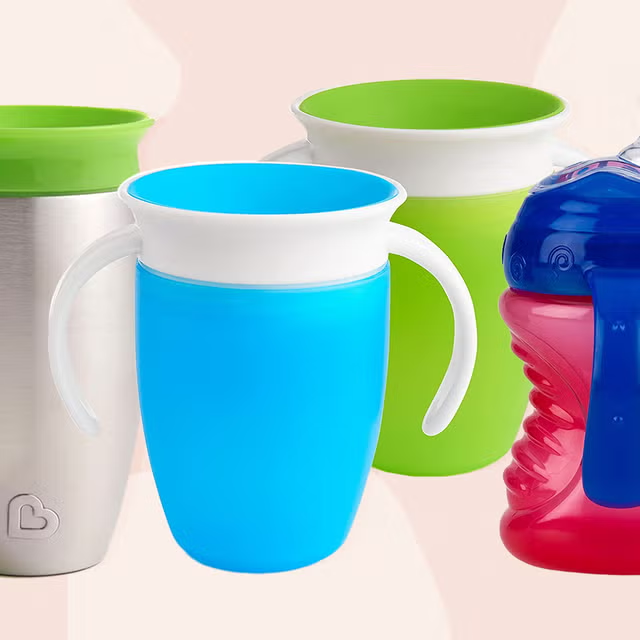
Swapping out the bottle for a new cup can feel like a big adventure, and it’s a fun chance for your little one to explore new ways of drinking. Start by watching for signs of curiosity; if your child is reaching for your drink, they might be ready to try something new.
Timing is everything, especially during mealtime when they are showing more independence.
Choose a colorful cup that sparks their interest, making this transition enjoyable.
Be sure to demonstrate how it works—kids love to mimic their caregivers! This not only promotes oral motor skills but also sets them on the right path toward a healthy approach to early childhood nutrition.
Tips For Transitioning From Bottles

Switching from containers to cups is a natural part of your child’s growth journey, and it can actually be an exciting adventure. Start by observing your little one closely; look for signs indicating they’re ready for this change.
An interest in cups or a decrease in their use of baby bottles can be good indicators.
Health guidelines suggest that most kids are ready to make this transition around 12 months, but every child is unique, so be sure to consider their individual development for the best timing.
To help ease your child into this new routine, introduce cups gradually.
Opt for soft sippy cups that are designed for little hands to grip comfortably. During meals or snacks, offer the cup consistently to weave it into their feeding habits. This gradual approach can help your child adjust without any stress, allowing them to maintain their milk consumption while they learn how to follow age recommendations and adapt their feeding habits in accordance with health guidelines, ultimately transitioning from baby bottles to more appropriate drinking methods.
Transitioning from Bottles to Cups
- Most children are ready to transition from bottles to cups around 12 months of age.
- Gradual introduction of cups can reduce stress and help children adapt to new feeding habits.
- Soft sippy cups are designed for small hands, making them easier for toddlers to grip.
- Observing a child’s interest in cups can indicate their readiness for this important developmental change.
Importance Of Oral Development For Toddlers
Supporting your little one’s growth goes beyond just their physical needs. Developing these early skills really helps when it comes to communication and healthy eating habits.
When toddlers become comfortable expressing their thoughts, they also gain confidence in their social interactions.
Plus, mastering these skills can enhance their feeding schedule, making mealtime more enjoyable for everyone involved.
As they learn to chew and swallow, taste development kicks into high gear, sparking their curiosity about different flavors and textures. This journey plays a significant role not only in nutrition but also in how they connect with others. So, keep an eye out for those readiness signs as they embark on this exciting adventure, ensuring that their feeding schedule aligns with pediatric advice, supports child nutrition, fosters taste development, and includes appropriate drinkware.
Best Practices For Toddler Feeding Habits

Embarking on a journey with your toddler at mealtime is all about making great memories!. One enjoyable way to support their baby health is by encouraging independence.
Let your little one explore their food freely.
Offer small pieces that are easy to pick up, sparking their curiosity and making them feel proud of their accomplishments.
Don’t shy away from letting them use utensils, even if it leads to a bit of a mess!
Creating a consistent routine can also work wonders. Regular meal and snack times help your little one understand when it’s time to eat, which can aid in hydration.
Plus, family meals foster a positive environment and nurture good habits. So, let’s turn mealtime into a fun experience! Transitioning from the importance of oral development for toddlers, the next step involves ensuring proper hydration through the use of soft spouts for early sipping and hard spouts as they grow, all while keeping baby health in mind with helpful parent tips.
What Are The Age Recommendations For Weaning?
Starting this journey is an exciting milestone for both you and your baby. The weaning process usually kicks off around six months, but it can really depend on your family’s unique experiences and practices.
Some parents find their little ones are ready a bit earlier, while others might wait a little longer based on their baby’s drink preferences and developmental cues.
Look for signs your child is ready to explore new foods, like showing interest in your meals or being able to sit up steadily.
Making this nutrition transition smooth will not only foster early independence but also help ensure your baby gets the nutrients needed during this fun phase.
As you consider weaning, remember the best practices you’ve learned about toddler feeding habits. Keeping mealtimes relaxed and enjoyable can make a world of difference as your toddler adjusts to new flavors and textures. And speaking of adjustments, many families find that navigating the nutrition transition during the weaning process involves understanding their children’s drink preferences and exploring bottle alternatives to encourage early independence.

Exploring Alternatives To Baby Bottles
Transitioning from baby bottles can feel like a new adventure for both parents and little ones. Why not dive into the world of cups? There are so many options out there, like sippy, straw, and open cups, each designed to support different stages of your child’s developmental readiness.
It’s all about taking it slow and allowing your child to explore these new feeding tools at their own pace.
And if you’re feeling a bit adventurous, using a spoon can add a fun twist to mealtime and fit seamlessly into family meal routines. Keeping the experience light and enjoyable is key, especially when considering developmental readiness, family meal routines, comfort objects, nutrition education, and the use of appropriate feeding tools.
Conclusion
Making the shift from baby bottles is a big step in your little one’s growth journey. It’s all about finding the right moment and noticing those signs that show your child is ready.
Pay attention to increasing interest in cups or their little attempts at self-feeding; these baby milestones can really guide you through this transition with ease.
Addressing common concerns can also make this process smoother.
You might find yourself wondering about dietary changes or if your toddler’s nutritional needs are still being met. Just keep in mind, each child is unique, so it’s important to be patient and supportive as they embrace this new chapter.
Originally posted 2025-03-21 12:30:08.